How casinos transformed through history A journey from ancient games to modern gambling
The Origins of Gambling: Ancient Civilizations
Gambling has a rich history that dates back to ancient civilizations, where games of chance were deeply woven into the cultural fabric. Evidence of early gambling can be found in artifacts from ancient China, where tiles dating back to 2000 BC suggest a rudimentary form of lottery. Similarly, the Egyptians engaged in games involving dice, as found in tomb paintings that highlight their enjoyment of chance-based activities. As players explore the dynamic gaming environment, they may find opportunities to enjoy the bet9ja casino alongside traditional practices.

As civilizations evolved, so did the complexity and variety of gambling games. The Greeks and Romans embraced dice games and betting on athletic competitions, incorporating these activities into their social gatherings. This laid the groundwork for the rise of more structured forms of gambling, leading to the establishment of venues dedicated to betting and gaming.
The Birth of Modern Casinos in Europe
The concept of the casino as we know it began to take shape in Europe during the 17th century. The first official casino, the Ridotto, opened its doors in Venice in 1638, allowing nobility to indulge in gambling in a controlled environment. This marked a significant shift from informal gambling in taverns to a more regulated and upscale experience.
As the popularity of casinos grew, so did the variety of games offered. Classic card games like poker and blackjack emerged, attracting diverse crowds. The establishment of gambling houses in cities like Paris and Monte Carlo turned gambling into a glamorous pastime, making casinos a symbol of wealth and sophistication.
The Influence of Technology on Gambling
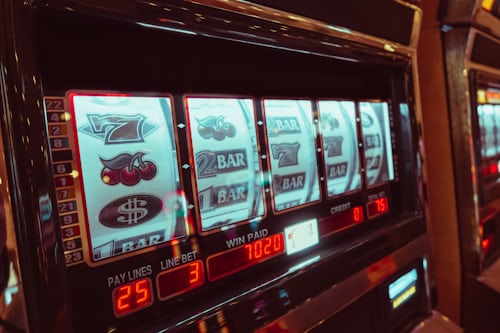
The 20th century brought about a technological revolution that transformed the gambling landscape. The introduction of slot machines in the early 1900s made gambling more accessible to the general public, leading to the explosive growth of casinos across America. These machines, with their bright lights and alluring sounds, quickly became a staple in gaming establishments, captivating players and generating significant revenue.
With the advent of the internet in the late 1990s, online casinos began to emerge, allowing players to enjoy their favorite games from the comfort of their homes. This digital shift not only expanded the reach of gambling but also introduced innovative gaming experiences, such as live dealer games, which mimic the excitement of physical casinos.
The Rise of Responsible Gambling and Regulation
As gambling became more mainstream, concerns about addiction and the social implications of gambling grew. This led to the establishment of regulatory bodies and initiatives aimed at promoting responsible gambling. Various jurisdictions implemented laws to ensure fair play and protect players, including self-exclusion programs and age restrictions.
Casinos began to adopt responsible gambling practices, incorporating resources and support for players who may be struggling. This focus on player welfare not only enhances the gaming experience but also fosters a sense of community and accountability within the gambling industry.
Exploring Online Gaming: A New Era
Today, the landscape of gambling continues to evolve, with online platforms like Bet9ja leading the charge. Established in 2013 and licensed by the Lagos State Lotteries Board, Bet9ja offers a diverse range of gaming options, from sports betting to live dealer games. This digital evolution allows players to engage in thrilling gaming experiences anytime and anywhere.
With secure payment methods and a commitment to customer support, Bet9ja provides a safe environment for players. The platform also attracts new users with generous welcome bonuses, enhancing their journey into the world of online gambling. As technology continues to advance, the future of casinos promises to be dynamic, exciting, and ever-evolving.